
The Enduring Appeal of a Christmas Grouch
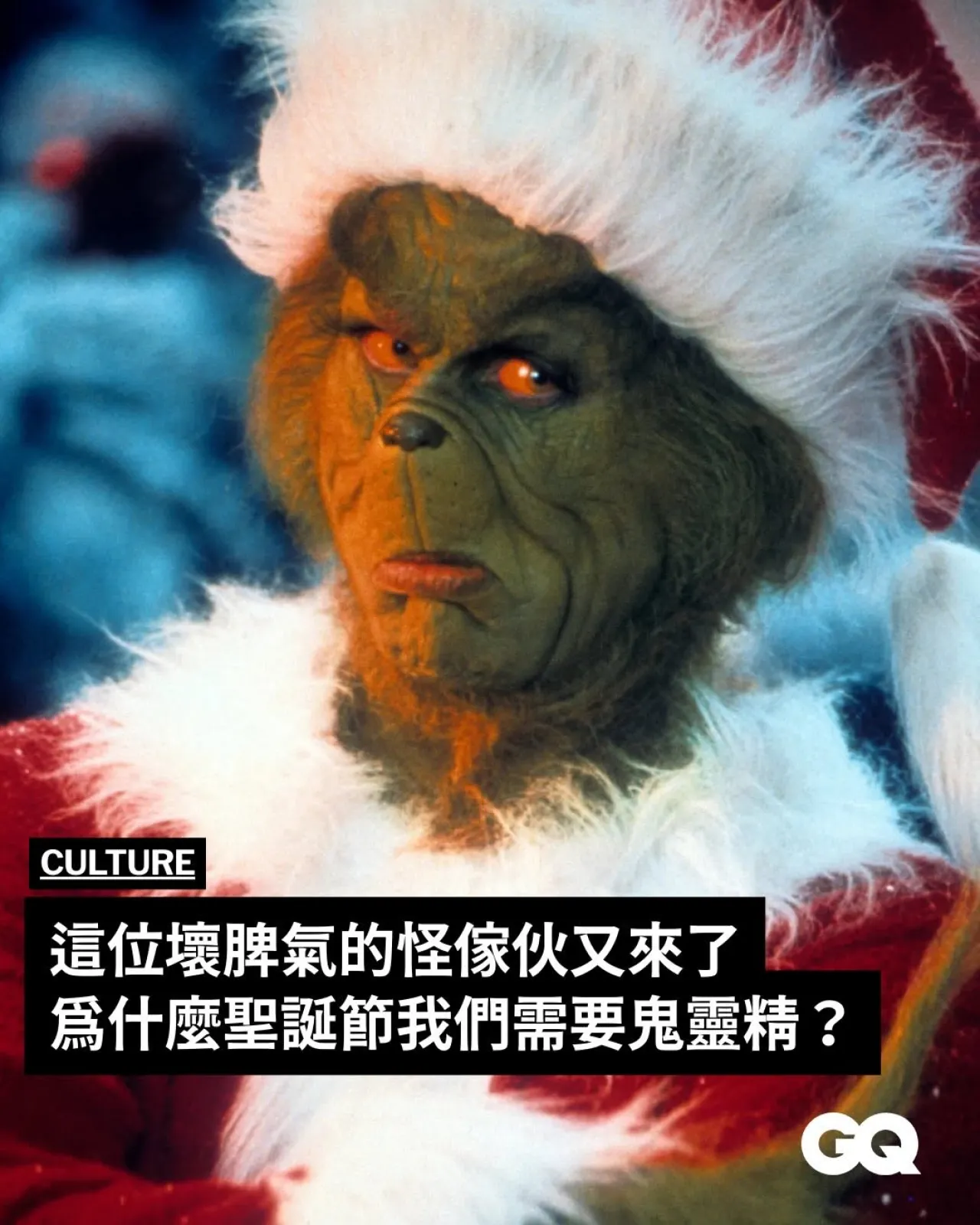
The Grinch is a character synonymous with Christmas, yet his defining trait is a profound hatred for the holiday season. This grumpy, green, cave
- dwelling creature, whose mission is to steal Christmas from the cheerful Whos of Whoville, has become an unlikely but enduring symbol of the festive period.
- A Change of Heart: The story's climax, where the Grinch's heart grows three sizes, delivers a powerful message about the true spirit of Christmas.
- Memorable Design: His distinctive green fur, mischievous smile, and iconic Santa disguise make him visually unforgettable.
- Universal Theme: The narrative explores themes of cynicism versus joy and the idea that Christmas "doesn't come from a store."
Unwrapping the Origins of The Grinch
The creation of this classic character stems from the brilliant mind of children's author Dr. Seuss, whose real name was Theodor Geisel. The Grinch first appeared in the 1957 book *How the Grinch Stole Christmas!* Geisel reportedly based the character's personality on his own frustrations with the commercialism and hectic nature of the holiday season.
From Page to Pop Culture Phenomenon
The Grinch's journey from literary figure to a global icon was cemented by the 1966 animated television special, narrated by Boris Karloff. Its success transformed the character into a Christmas staple. The character's popularity has only grown through subsequent film adaptations, ensuring his presence in holiday traditions worldwide.
The Grinch's core appeal lies in his relatable grumpiness and ultimate redemption. Key elements of his story include:
Today, the Grinch stands as one of the most recognizable Christmas characters, a testament to a story that continues to resonate with audiences who find both humor and heart in his grumpy antics.










Comments
Write a Comment